Office of the
Illinois Attorney General
Kwame Raoul
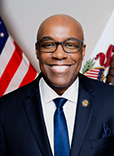
Chicago – Attorney General Kwame Raoul today encouraged Illinoisans to understand their rights and how to identify scams when planning vacations throughout the summer.
“With the unofficial start of the summer travel season upon us, it is important for consumers planning summer getaways to be aware of scams targeting travelers,” Raoul said. “I encourage all Illinoisans to consider recommendations offered by my office to avoid letting scammers and dishonest companies ruin travel plans this season.”
Attorney General Raoul is encouraging travelers to research travel agents, booking sites and vacation rental listings to verify the validity of a business instead of relying on web search results alone. Consumers should check reviews, news articles and with the Better Business Bureau to spot companies and deals that could be a scam. With travel costs increasing, travelers should also review prices on comparison websites, keeping in mind that low prices may come with unfavorable terms. Raoul also recommends that consumers request that all agreements be provided in writing, and check the cancellation and refund policies before paying, as missing or unclear cancellation policies may be signs of a scam. Raoul cautions against signing an agreement or providing payment until the full terms of a deal are disclosed.
Raoul’s office is reminding travelers:
Consumers can report scams to the Federal Trade Commission, the Federal Bureau of Investigation’s Internet Crime Complaint Center, the Consumer Financial Protection Bureau and – for payments made through the mail – the U.S. Postal Inspection Service.
Flight delays and cancellations are headaches for even the most seasoned of travelers. Raoul is reminding consumers that the U.S. Department of Transportation requires airlines to refund travelers the money or airline miles the consumer used to make a purchase in certain situations, such as canceled or significantly delayed flights, significantly delayed baggage returns and not receiving extra services they have paid for. Consumers should contact the U.S. Department of Transportation Office of Aviation Consumer Protection if they believe an airline did not comply with federal delay, cancellation or delayed baggage policies.
Attorney General Raoul also encourages consumers who believe they have been a victim of a travel scam to file a complaint on the Attorney General’s website or call the Office’s Consumer Fraud Hotlines.
1-800-386-5438 (Chicago)
1-800-243-0618 (Springfield)
1-800-243-0607 (Carbondale)
1-866-310-8398 (Spanish-language hotline)


